Lake Talquin
A deep, timbered Ochlockonee River impoundment. Known for crappie and a solid bass population with a different feel from the shallow lakes further south.
Today's report (2026-09-13)
Bite forecast
| Species | Sun, Sep 13 | Mon, Sep 14 | Tue, Sep 15 | Why |
|---|---|---|---|---|
| Channel and Flathead Catfish | 8 | 7 | 6 | New Moon feeding boost. Light wind |
| Bluegill and Shellcracker | 7 | 6 | 5 | New Moon feeding boost. Light wind |
| Largemouth Bass | 6 | 5 | 4 | New Moon feeding boost. Light wind |
| Black Crappie (Speckled Perch) | 3 | 3 | 3 | New Moon feeding boost. Light wind |
| Striped and Sunshine Bass | 3 | 3 | 3 | New Moon feeding boost. Light wind |
Species and seasonal patterns
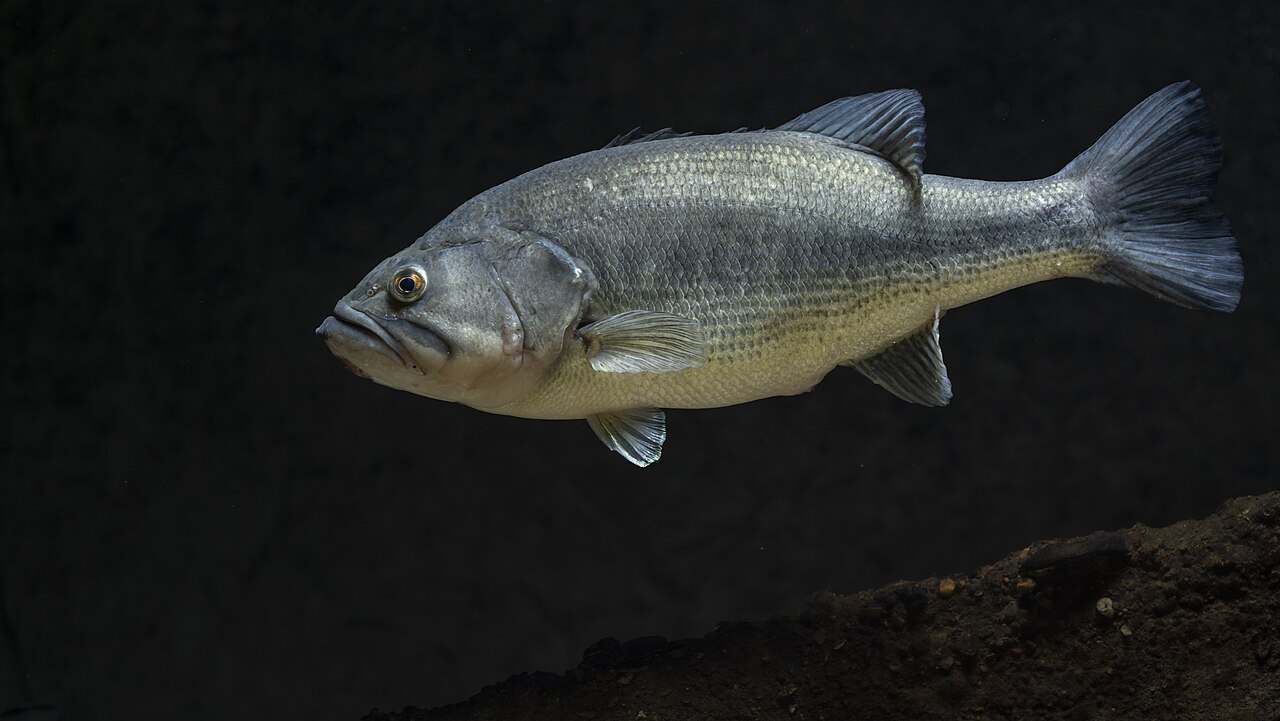
Largemouth Bass
Wild shiners and big worms during the winter and spring spawn, topwater frogs over grass in summer mornings, and punching mats in the heat.
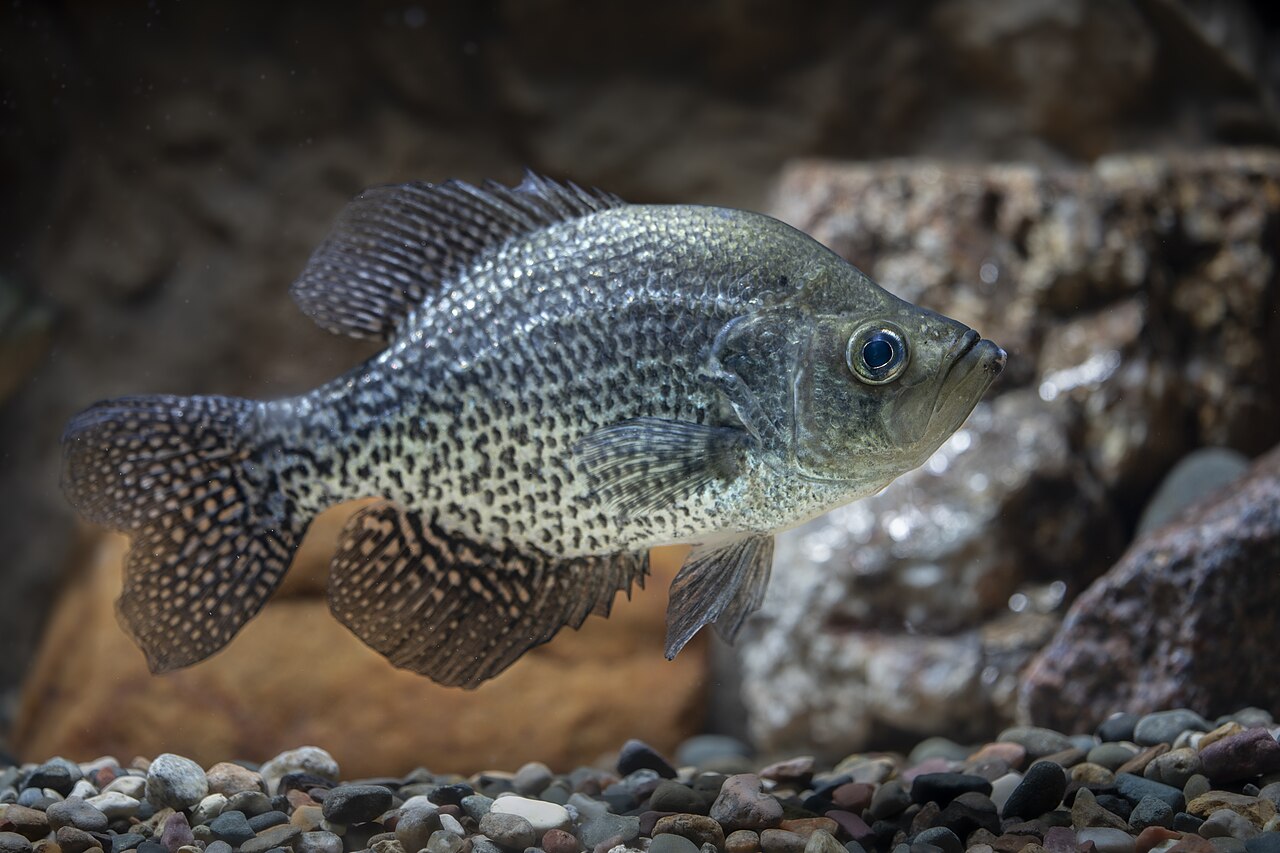
Black Crappie (Speckled Perch)
Minnows and small jigs trolled or drifted over open water in winter, then in the pads and grass edges during the late winter spawn.
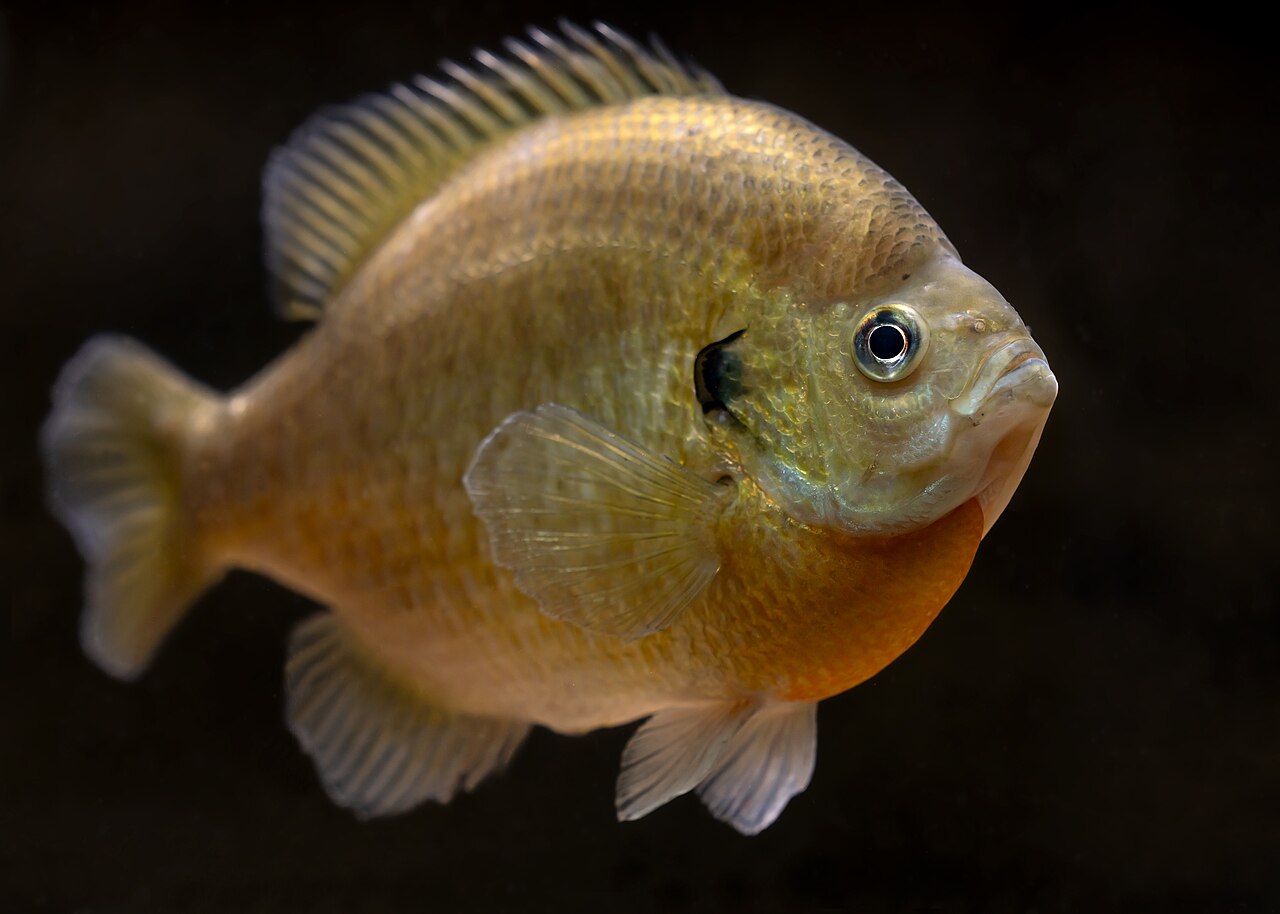
Bluegill and Shellcracker
Crickets, worms and small poppers around bedding areas on the full moons from April through July.
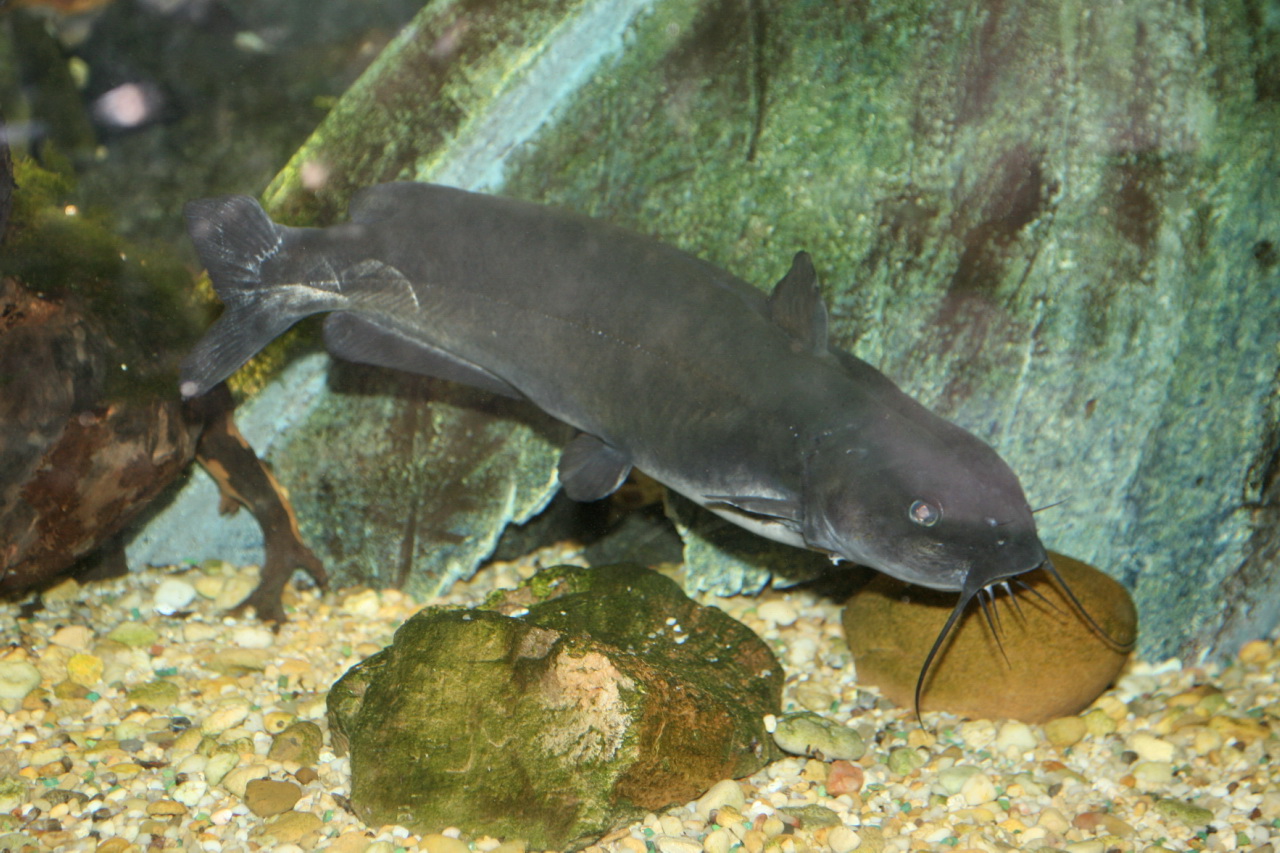
Channel and Flathead Catfish
Cut bait, chicken liver and live bream on the bottom in river bends and lake channels, best after dark in summer.
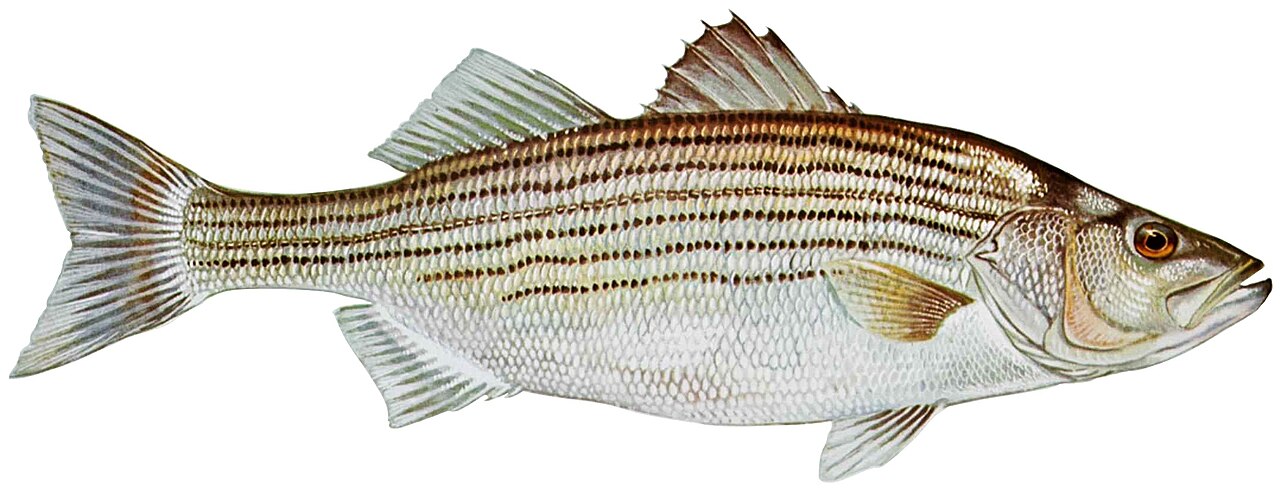
Striped and Sunshine Bass
Live shad and jigs below dams, in the St. Johns and in the deeper Panhandle rivers during the cool months.
Freshwater regulations
Applies to: Statewide freshwater waters
| Species / zone | Season | Size | Bag | Notes |
|---|---|---|---|---|
| Black bass Statewide | open now Open year-round | only one of which may be 16 inches or longer in total length. There is no minimum length limit for Florida bass or largemouth bass. | 5 Black bass (including Florida, largemouth, Suwannee, spotted, Choctaw and shoal bass, individually or in total) | No person shall kill or possess any Suwannee, shoal, spotted, or Choctaw bass that is less than 12 inches in total length. Keep game fish intact: black bass may not be filleted, nor their head or tail fin removed, until the angler has completed fishing for the day. |
- No person shall have in his possession more than two days’ bag limit of freshwater game fish.
- Each angler is responsible for his or her own bag limit. It is illegal to transport or possess more than two days’ bag limit of fish per licensed angler without a commercial license.
- No native freshwater fish or their eggs may be taken or possessed except as permitted by these rules nor shall anyone wantonly or willfully waste the same.
- An angler participating in the TrophyCatch Program may temporarily possess in live condition one Florida bass or largemouth bass, 8 pounds or greater, over the legal length limit and bag limit in order to obtain photographic or video documentation of the fish. All bass retained for this purpose must be released alive into the waterbody in which it was caught immediately after documentation.
- An angler may possess one Florida bass or largemouth bass 16.5 pounds or greater, per day over the legal length or bag limit when submitting for the certification of a potential state record provided they contact the Commission.
- Keep game fish intact: black bass, striped bass and white bass or their hybrids, peacock bass, or black crappie and panfish (for black crappie and panfish, only in waters where minimum-length or slot-size limits for these fish apply) may not be filleted, nor their head or tail fin removed, until the angler has completed fishing for the day.
Source: FWC, extracted 2026-09-12. Review flags: The page lists 'Black bass' as a group including Florida, largemouth, Suwannee, spotted, Choctaw and shoal bass. Specific size restrictions for Suwannee, shoal, spotted, and Choctaw bass (min 12 inches) are noted separately from the general 'one over 16 inches' rule.; Coast designation for freshwater species is marked as 'unknown' or inferred based on river location (e.g., Suwannee and Ochlockonee are Gulf coast rivers, but the regulation is statewide freshwater).; Sturgeon are listed as protected; season is treated as closed year-round for recreational take.
Some lakes carry special rules, such as catch-and-release bass at Stick Marsh and Farm 13. Check the FWC special regulations for this water.